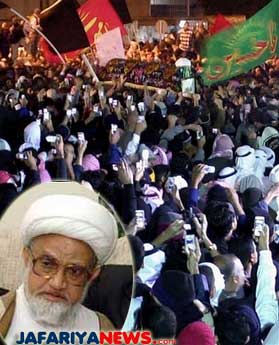
MANAMA, Bahrain: Leading Shia cleric and spiritual leader
of Bahraini Shias Sheik Abdul-Ameer al-Jamri, who led
pro-democracy protests in Bahrain in the 1990s and was died of
heart and kidney failure on Monday Dec. 18, 2006, has been
buried in Bani Jamra, Bahrain. He was 67.
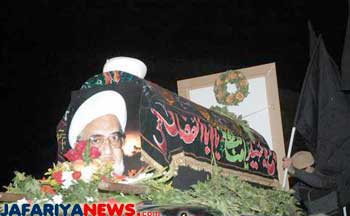
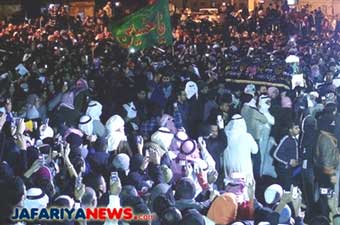
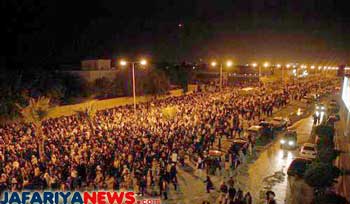
Shias across the tiny island state went into deep mourning,
hanging black flags and banners outside their houses and
pasting pictures of al-Jamri on walls and car windows.
Though he was freed from prison in 1999, the government still
regarded the cleric as a divisive figure and Bahraini state
radio and television ignored his death on their news
bulletins.
Word of his death quickly got around, however, with many
Bahrainis receiving the news in cell phone text messages.
"He was a father figure for Shias Bahrainis," said his son,
Mansour al-Jamri, a leading columnist and editor at the
independent Alwasat newspaper. "His legacy will start today.
He had great influence during his life."
A local rights group, HAQ — the Movement of Liberties and
Democracy_ described al-Jamri as "the spiritual father" of
Bahrainis and a person "who struggled for real constitutional
citizenship where people live in peace without distinction
between Sunnis and Shias."
Essa Amin, a Bahraini historian, said al-Jamri had played an
important role as a lawmaker "representing the Shias as well
as the national opposition in general."
Kuwaiti cleric Mohammed Baqer al-Mohri, said Bahrainis "will
feel a big vacuum after losing a fatherly figure and a great
Muslim leader who directed them to demand freedoms and
democracy."
He served in Bahrain's first parliament in 1973-75, which was
dissolved by the emir.