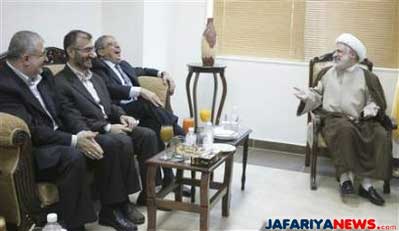
BEIRUT, Lebanon: Lebanese Hezbollah started removing
street blockades on Thursday a day after the reversal of two Lebanon
Cabinet decisions made during the country’s worst violence after the
1975-90 civil war.
Lebanese political crisis boiled to deadly clashes on May 7 after the
cabinet decided to cease the private communication network of
Hezbollah and remove the country's sole international airport's
security chief Gen. Wafik Shqaier for alleged links to Hezbollah.
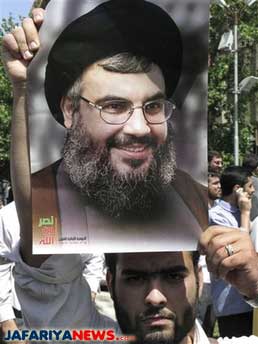
Led by Hasan Nasrallah, the Hezbollah had promised to
move toward political solidarity after the Cabinet's announcement.
On Lebanese television, Hezbollah's deputy secretary-general Sheik
Naim Qassem said Thursday: "Beirut is for all. It is not for a party
over another and it is not for one group over another.".
"We call everyone to move away from the language of turmoil and
apprehension because at this stage, we need to be together."
A special meeting between Lebanon's political factions -- organized by
the Arab League -- was scheduled for Friday to discuss political
issues that have kept Lebanon without a president since November.
The Cabinet on Wednesday reversed the order that Hezbollah's
telecommunications system should come under state control.
A similar U-turn was made with a decision to fire the chief of
security at Beirut's airport. He was at the center of a probe into
allegations Hezbollah had installed its own cameras and equipment at
the airport to monitor the movement of government figures.
Hezbollah leader Hassan Nasrallah defended his group's use of the
monitoring equipment, saying it is the right of "any militia during
war."
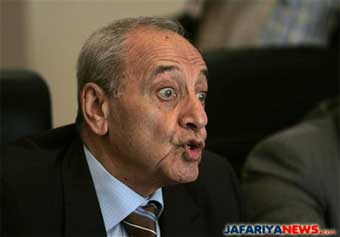
Meanwhile, Lebanese Parliament Speaker Nabih Berri has
criticized Majority leader legislator Saad Hariri for "preaching the
Sunni-Shiite discord in Beirut instead of rejecting such a discord."